Heel pain is one of the most common foot problems, and I’ve noticed that many people ignore it until it becomes severe. At first, it may feel like a small discomfort, but over time it can affect how you walk, stand, and even sleep.
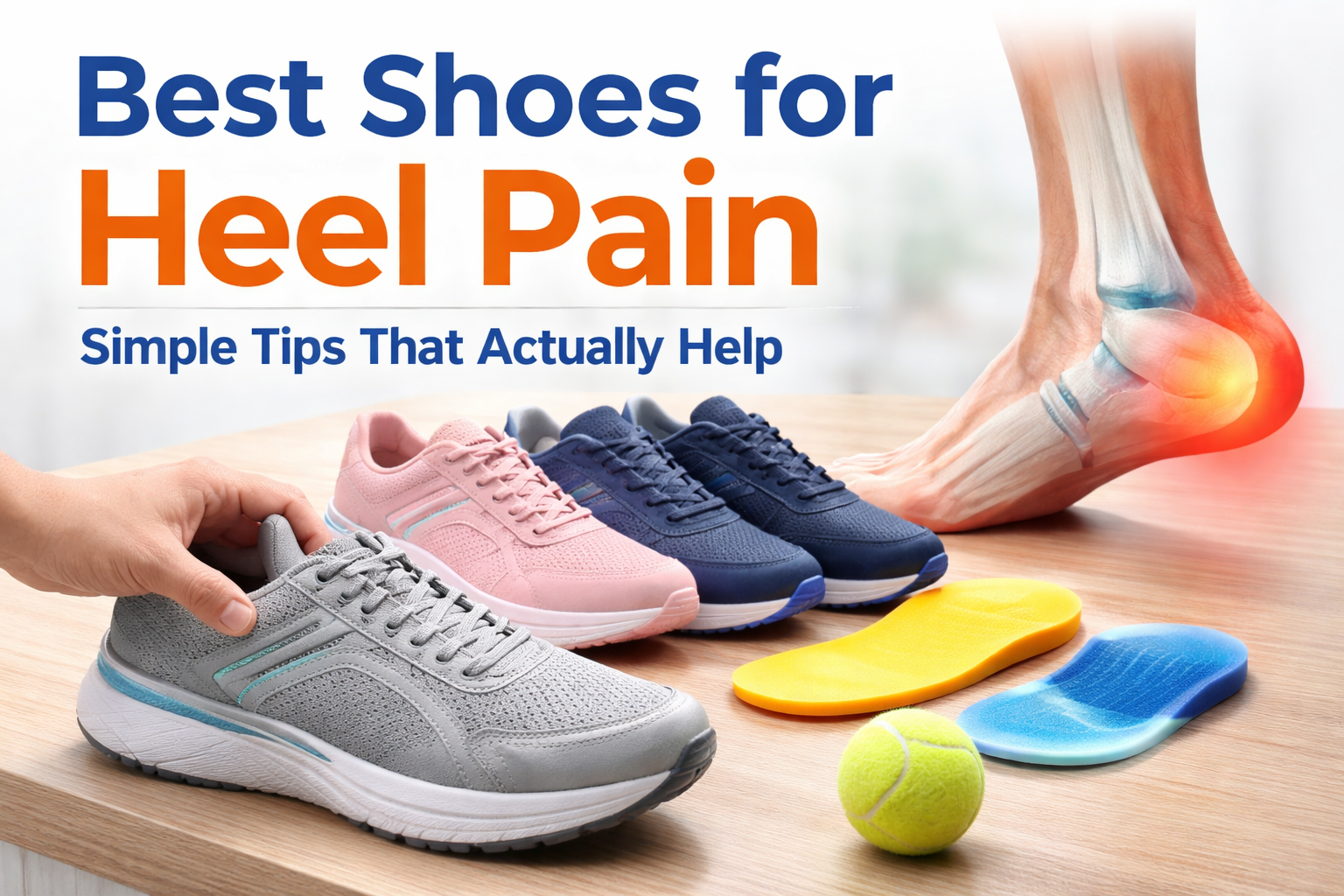
When looking for the best shoes for heel pain, the main goal is not fashion or price. It’s about reducing pressure, improving support, and allowing your feet to recover properly. In this article, I want to explain what really helps with heel pain and how the right shoes can make a big difference.
Why Heel Pain Is So Common
Heel pain usually comes from:
- long hours of standing
- walking on hard surfaces
- poor footwear
- lack of foot support
From what I’ve learned, heel pain often builds slowly. People continue using the same shoes, thinking the pain will go away, but it usually gets worse without proper support.
According to medical sources, heel pain is often linked to lack of proper foot support and repeated stress on hard surfaces.
Common Symptoms of Heel Pain
Heel pain can feel different for different people, but some common signs include:
- sharp pain when taking first steps in the morning
- soreness after long walks
- burning feeling under the heel
- stiffness in the foot
- pain after standing for long hours
Ignoring these symptoms can lead to more serious foot problems later.
Why Regular Shoes Often Make Heel Pain Worse
Many regular shoes are designed for looks, not comfort.
They often lack:
- cushioning
- arch support
- shock absorption
- proper heel structure
This puts more pressure on the heel, especially on hard floors.
Cushioning Is the First Thing to Look For
Good cushioning is one of the most important features for heel pain.
Cushioning helps by:
- absorbing impact
- reducing pressure on the heel
- improving comfort while walking
Hard soles make heel pain worse, while soft and supportive cushioning feels much better.
Arch Support Reduces Heel Stress
Arch support helps distribute body weight across the foot.
Without proper arch support:
- the heel takes too much load
- the middle of the foot becomes strained
- pain increases over time
From my experience, arch support is often the missing piece in heel pain recovery.
Heel Structure Matters More Than You Think
The heel part of the shoe should feel:
- stable
- slightly firm
- not flat or collapsing
A good heel structure keeps the foot aligned and reduces strain.
Avoid Completely Flat Shoes
Flat shoes may look comfortable, but they often make heel pain worse.
They usually:
- lack support
- provide no cushioning
- increase heel pressure
This doesn’t mean you need high heels, but a slightly supportive sole is much better than a flat one.
Fit Plays a Big Role in Heel Comfort
Even the best shoes won’t help if they don’t fit properly.
Good fit means:
- enough room for toes
- secure heel
- no tightness on sides
- no slipping inside the shoe
Poor fit can increase friction and pressure on painful areas.
Try Shoes in the Evening
Feet swell slightly by evening.
Trying shoes later in the day gives a better idea of how they’ll feel during real use, especially if you walk or stand a lot.
Soft Insoles Can Help (But Not Fix Everything)
Insoles may:
- add extra cushioning
- reduce pressure
- improve comfort
But from what I’ve seen, insoles work best only when the shoe itself is already supportive.
Standing All Day Makes Heel Pain Worse
Jobs that require standing increase heel stress.
Without proper shoes:
- pain builds faster
- fatigue increases
- recovery becomes harder
This is why choosing supportive footwear is essential for people who stand for long hours.
I also noticed that many people who suffer from heel pain experience similar problems as those who need shoes for standing all day, especially when it comes to cushioning and foot support.
Walking on Hard Surfaces Is a Major Trigger
Concrete, tiles, and stone floors put more pressure on heels.
Shoes for these surfaces should:
- have thick cushioning
- absorb shock
- reduce impact
When to Replace Shoes
Worn-out shoes lose their support.
Signs you need new shoes:
- soles feel flat
- heel pain returns
- cushioning feels weak
- shoes feel unstable
Old shoes can silently worsen heel pain.
Are Expensive Shoes Always Better?
Not really.
From my understanding:
- price does not guarantee comfort
- design matters more than brand
- simple supportive shoes often work best
The goal is function, not luxury.
Style vs Comfort for Heel Pain
Many people choose shoes based on looks.
But honestly:
- painful shoes affect daily life
- comfort should come first
- style is secondary
There are many simple-looking shoes that offer great comfort.
Are Shoes for Heel Pain Worth It?
In my opinion, yes.
Proper shoes:
- reduce pain
- prevent future problems
- improve mobility
- increase quality of life
This is one of the easiest ways to protect foot health.
Final Thoughts
Heel pain may seem small, but it can affect everyday life more than we realize. Choosing the right shoes is one of the most important steps toward recovery.
The best shoes for heel pain should focus on:
- cushioning
- arch support
- stable heel structure
- proper fit
From everything I’ve learned, supportive footwear makes a real difference. When your heels feel better, walking and standing become easier and more comfortable.
FAQs – Best Shoes for Heel Pain
What causes heel pain most often?
Standing for long hours, poor footwear, and lack of support.
Can shoes alone fix heel pain?
Shoes help a lot, but long-term pain may need medical advice.
Are flat shoes bad for heel pain?
Yes, they usually lack support and cushioning.
Do insoles work for heel pain?
They help, but only if the shoe itself is supportive.
How long does heel pain take to improve?
It depends, but many people feel better after switching to proper shoes.